Two parts, one job
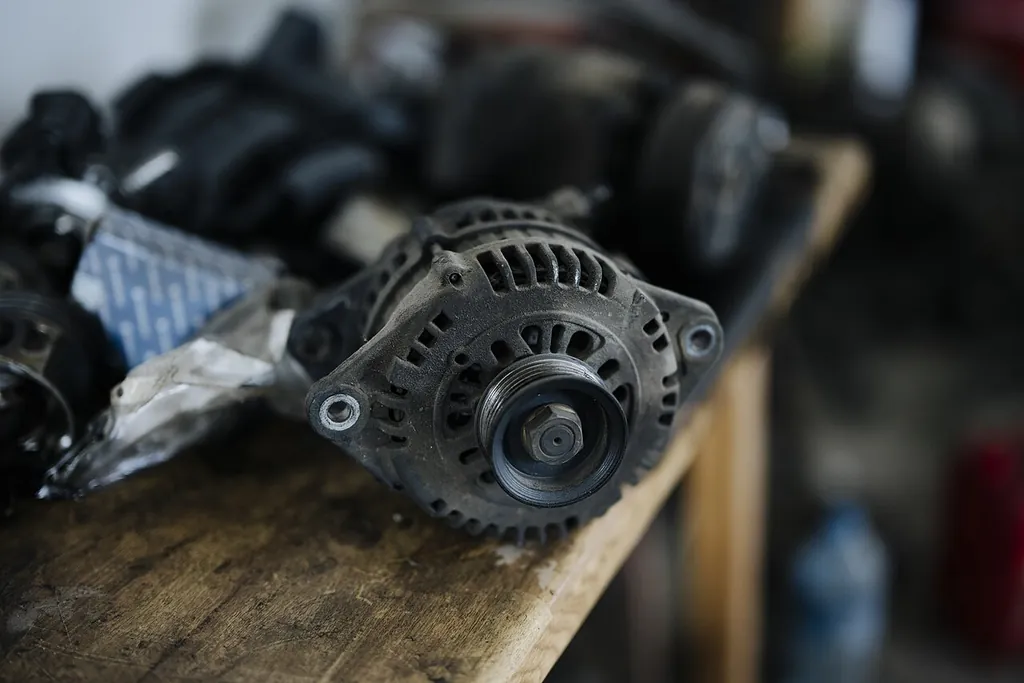
The battery starts the car. The alternator runs the car's electrical system once the engine is running and recharges the battery. When either fails, you can end up stuck.
Clues that point to the battery
- The car will not start after sitting overnight or for a few days.
- A jump starts it and it runs fine, but it will not start again later.
- Slow cranking that gets worse over a few weeks.
- The battery is three or more years old.
Clues that point to the alternator
- The battery warning light comes on while driving.
- Headlights dim at idle and brighten when you rev the engine.
- The car starts but dies while you are driving.
- A whining or grinding sound from the front of the engine.
- A new battery goes dead within days.
Why guessing gets expensive
A dead alternator will drain a new battery. A worn battery can make a good alternator work harder. Putting a new battery in a car with a failing alternator just means a second tow a few days later.
The test
We check the battery's condition, the voltage at the posts and the clamps, and the charging voltage with the engine running, with and without loads. That tells us which part is the problem. See battery and alternator testing.
Related questions
Can a bad alternator ruin a new battery?
Yes. An alternator that undercharges leaves the battery low, and one that overcharges can cook it.
Is the battery light a battery problem?
Usually not. It means the charging system is not keeping up, which is most often the alternator or its belt or wiring.