Why we test before we sell
The battery, the starter and the alternator work together. When one fails, the car will not start, and from the driver's seat they can look the same. Swapping parts until something works is the expensive way to find out.
What we check
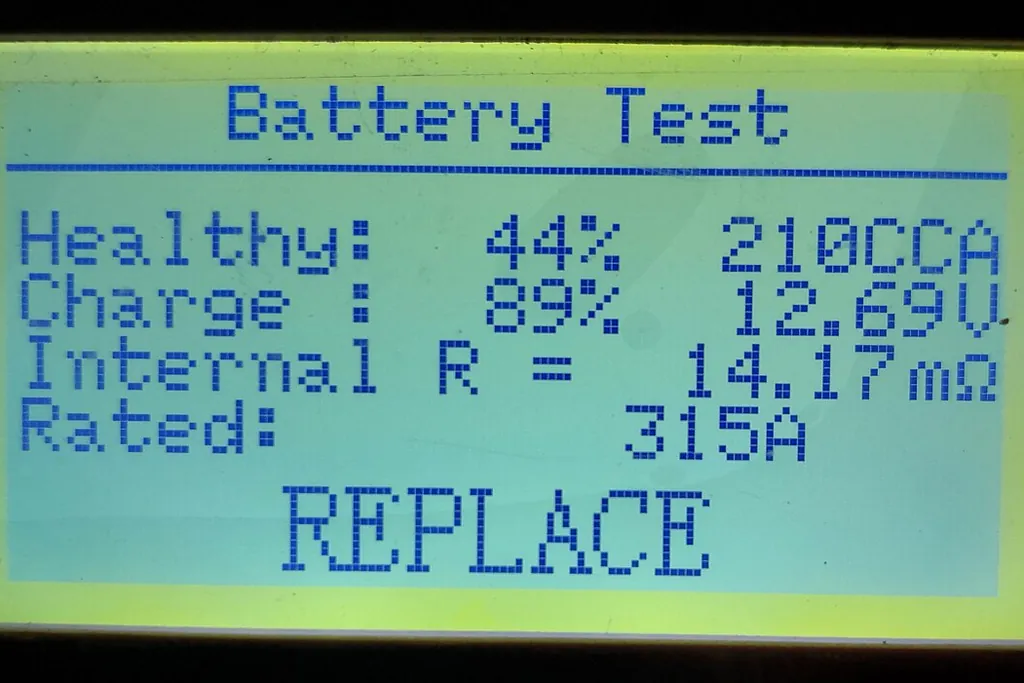
- Battery. A tester shows how much cranking strength the battery has left compared to its rating, and its state of charge.
- Connections. Voltage at the posts versus at the clamps. A big difference means a bad connection, not a bad battery.
- Starter. How much the voltage drops while cranking, and whether the starter is pulling more current than it should.
- Alternator. Charging voltage with the engine running, with and without loads like the headlights and the A/C fan.
What the results mean
- Battery fails, charging is good: replace the battery.
- Battery is fine but low, charging is good: something drained it. A door left open, an accessory or a parasitic drain.
- Charging voltage is low or high: the alternator or its wiring needs attention. A new battery would only be drained or cooked too.
- Cranking draw is too high: the starter may be failing.
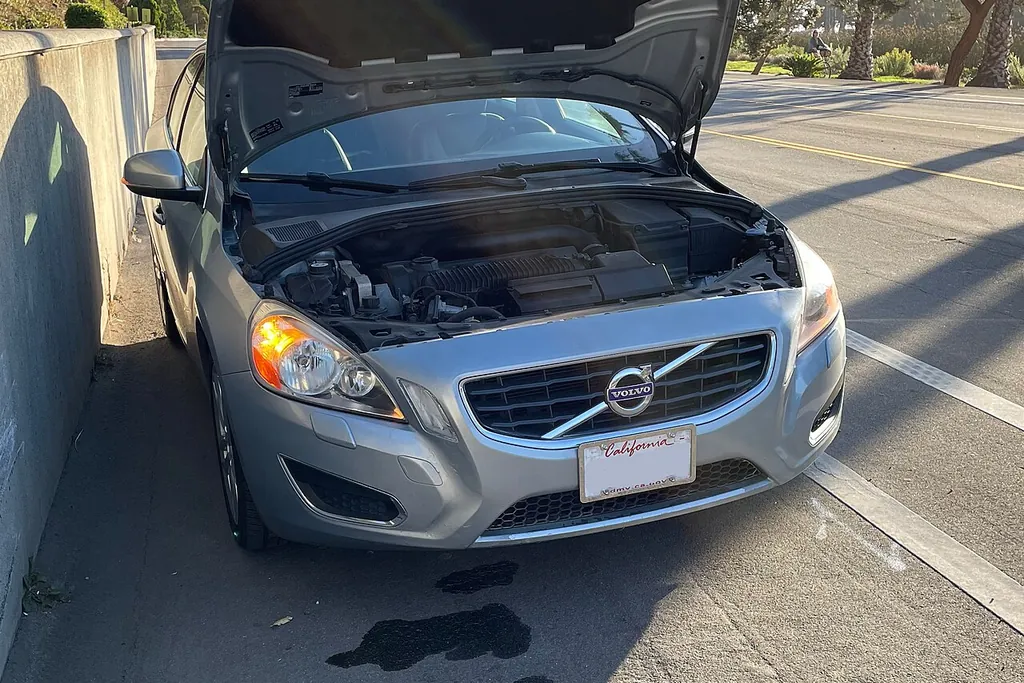
We tell you what we found and show you the numbers. If the problem is not something we fix at the curb, we say so.
Read battery or alternator for more.
Questions about this service
Do you replace alternators?
Our work is batteries, terminals and cables. If the alternator is the problem, we tell you and you can take it to a repair shop.
Can a bad alternator kill a new battery?
Yes. That is why we check charging voltage before and after we install one.