What it is
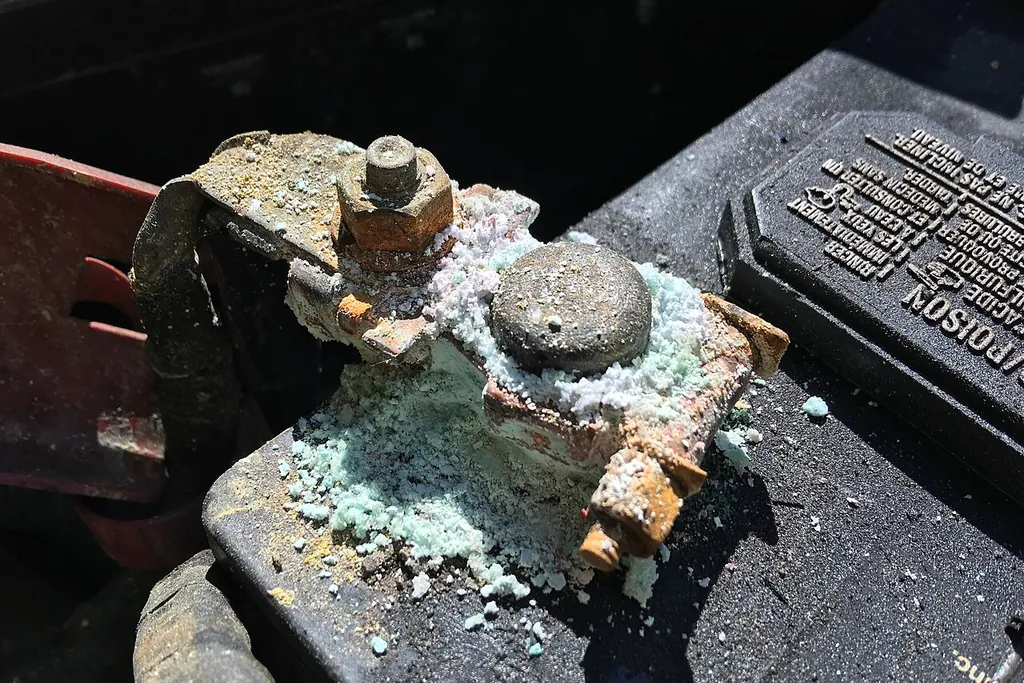
The crust that builds up on battery terminals is mostly lead sulfate and, where copper is involved, copper sulfate, which is why it is sometimes blue or green. It forms when small amounts of acid vapor escape from the battery and react with the metal around the posts.
Why Houston has so much of it
Heat increases venting. Humidity and salty air near the bay speed up corrosion. Houston has all three.
What it does
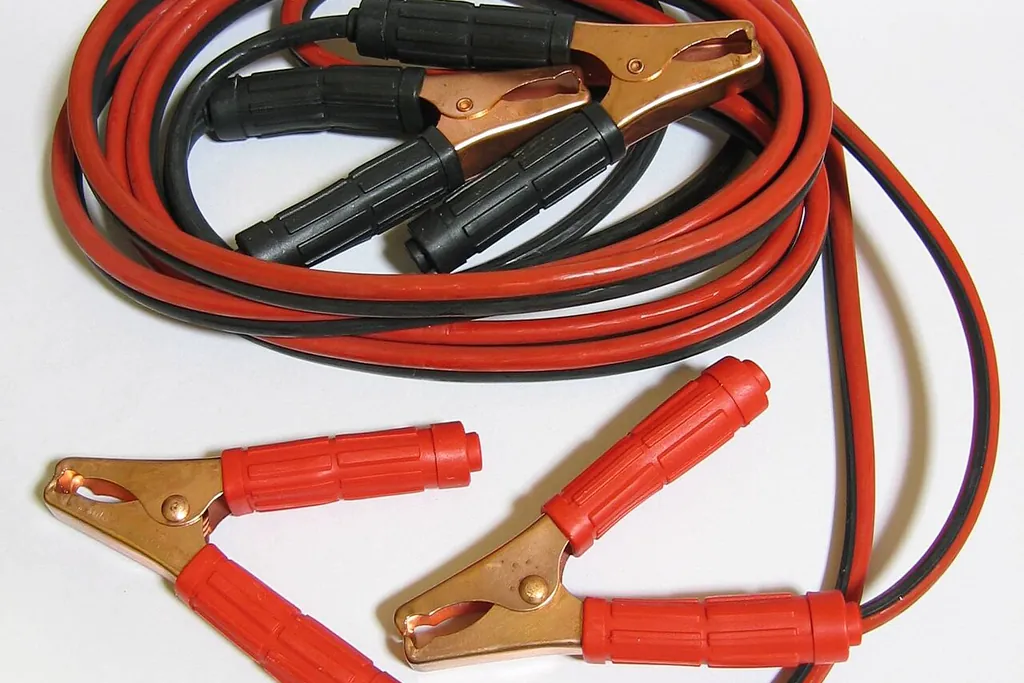
Corrosion adds resistance between the battery and the cables. That means less current gets to the starter, the alternator has a harder time charging the battery, and the car may start fine one day and not the next.
Cleaning it safely
- Wear gloves and eye protection.
- Disconnect the negative clamp first, then the positive.
- Mix baking soda and water and brush it on. It will fizz as it neutralizes acid.
- Scrub the posts and the inside of the clamps with a terminal brush.
- Rinse with a little clean water and dry everything.
- Reconnect positive first, then negative. Tighten them.
- Apply a terminal protector spray or grease.
When it is a warning
- Heavy corrosion that comes back quickly can mean the battery is overcharging or venting.
- Corrosion on only the positive post often points to overcharging; on the negative, sometimes to undercharging.
- A cable that is corroded inside the insulation needs to be replaced.
See terminals and cables.
Related questions
Can corrosion stop a car from starting?
Yes. It adds resistance and can keep enough current from reaching the starter.
Is it safe to clean terminals myself?
Yes, with gloves, eye protection and the negative cable disconnected first.