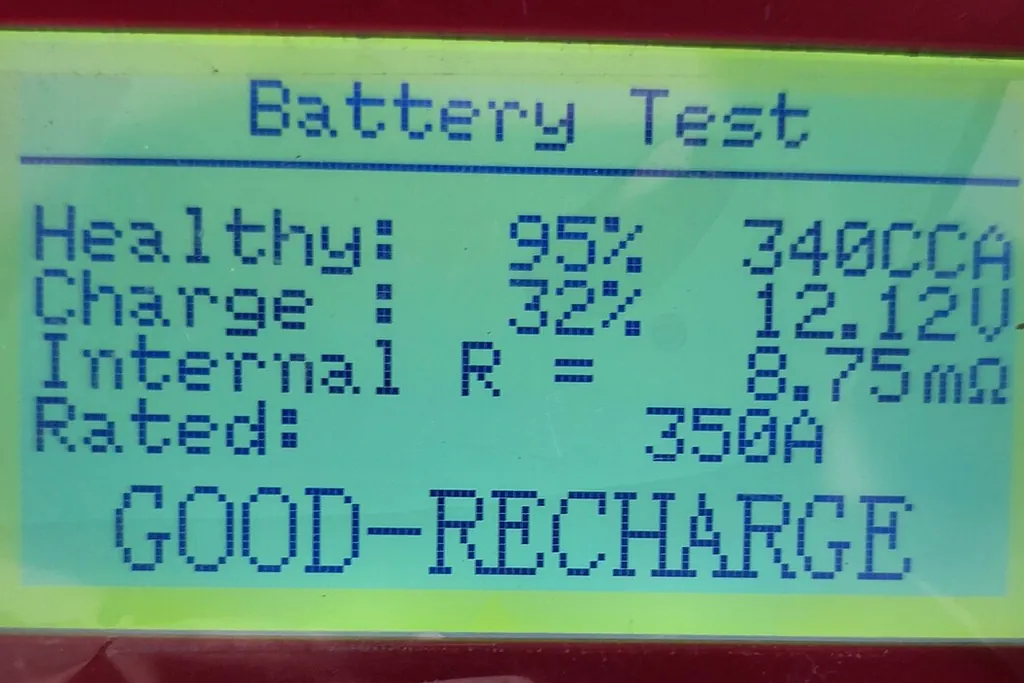
The common signs
- Slow cranking. The engine turns over more slowly than it used to, especially on the first start of the day.
- You needed a jump. One jump might be bad luck. Two in a month means the battery is not holding a charge.
- Lights dim when you start it. Headlights or the dash dip hard while cranking.
- Electrical glitches. The radio resets, the clock is wrong, windows act up or warning lights flash on startup.
- Start-stop stops working. Many cars disable start-stop when the battery is weak.
- Age. Three years or more in Houston is getting up there.
Signs to take seriously
- A swollen or bulging case. Heat or overcharging. Do not jump it.
- A rotten egg smell. The battery may be overheating or leaking.
- Heavy crust on the terminals. Can mean venting. See battery terminal corrosion.
- Leaking fluid. Battery acid. Do not touch it.
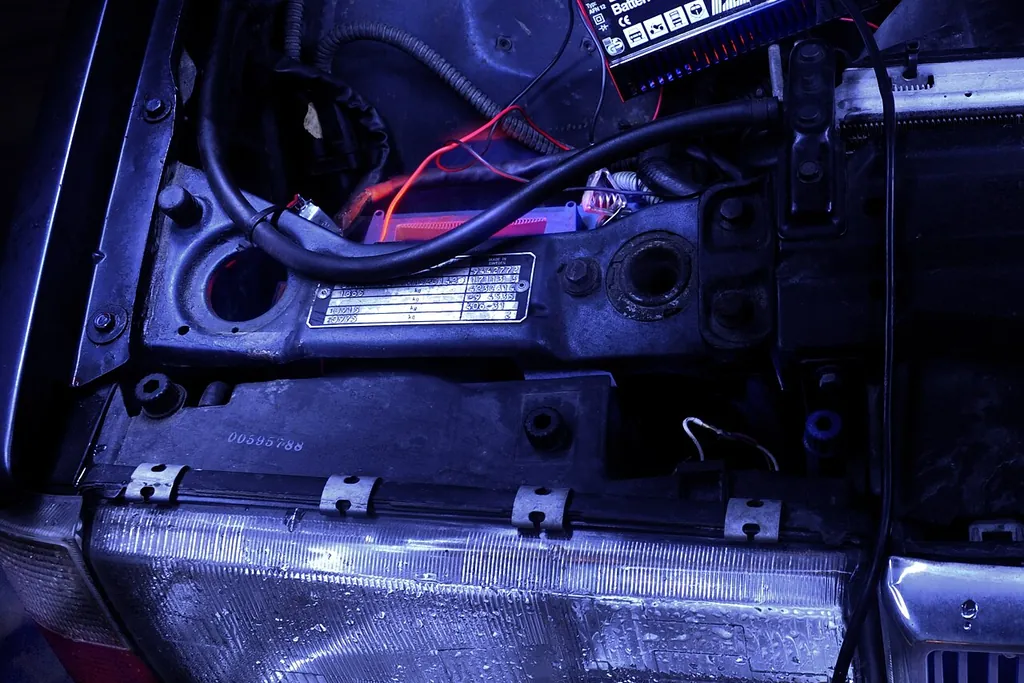
When there are no signs
In Houston, a lot of batteries fail with no warning at all. The heat wears them down, but a warm engine is easy to crank, so the battery keeps starting the car until the day it cannot. See Houston heat and car batteries. A test is the only way to know how much is left.
Related questions
How do I know if my battery is about to die?
Slow cranking, needing jumps and electrical glitches are the common signs. In hot climates batteries often fail without them, so a test is the reliable way.
Should I replace my battery before it dies?
If it tests weak and is several years old, replacing it on your schedule beats replacing it in a parking lot.